African Play-offs for the 2026 FIFA World Cup: Key Insights
Four contenders will be narrowed down to one in the African play-offs for the 2026 FIFA World Cup during this international window.
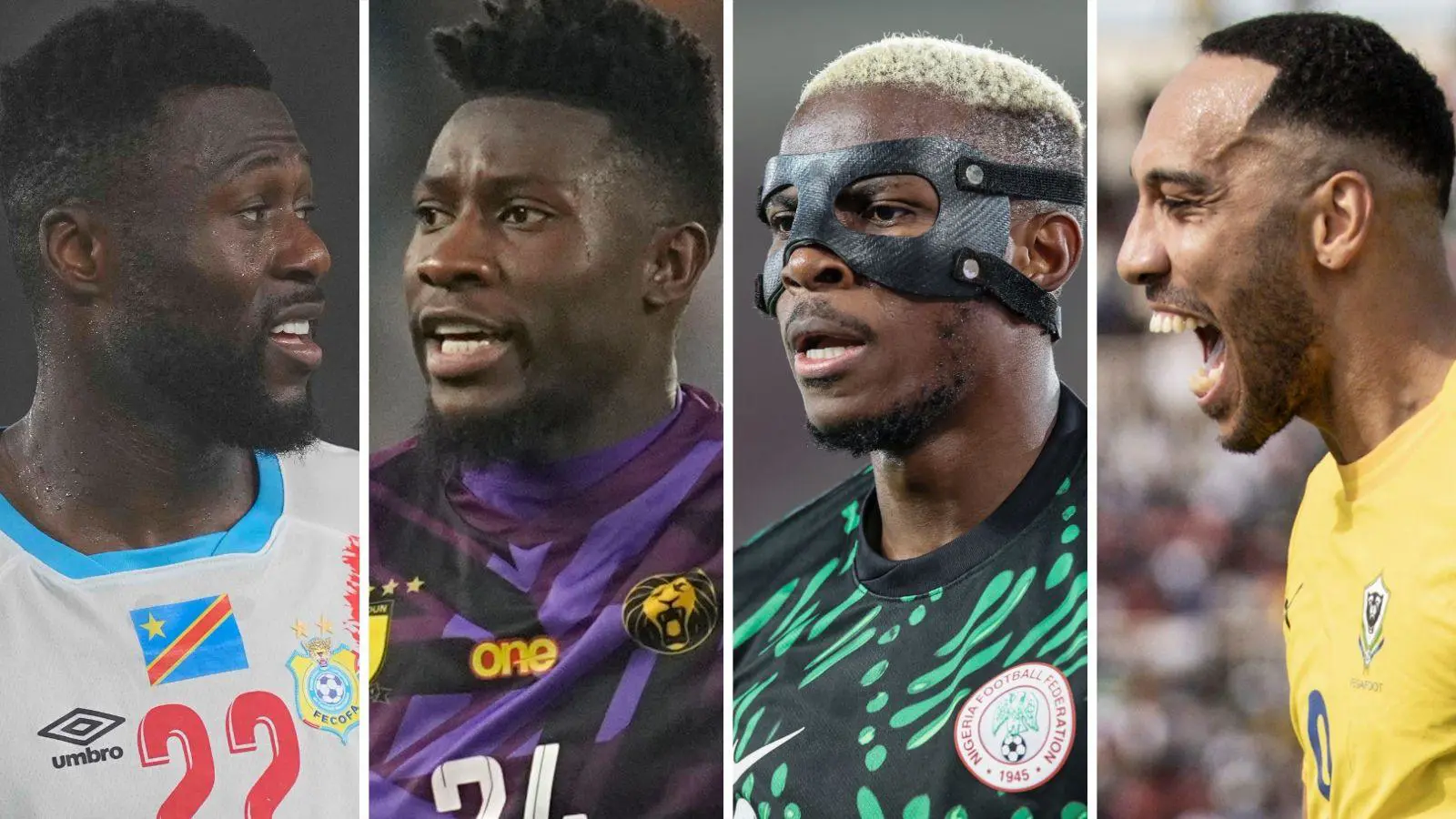
After failing to secure one of Africa's nine automatic qualification spots, Cameroon, DR Congo, Gabon, and Nigeria will compete in a decisive mini-tournament in Morocco.
The winning nation will potentially face one or two additional matches to qualify for next year's tournament in Canada, Mexico, and the United States, depending on their world ranking.
BBC Sport Africa provides an overview of how this stage functions and what lies ahead.
How did the teams reach the African play-offs?
The four teams reached this stage as the best second-placed finishers in Africa's nine World Cup qualifying groups. Results against the sixth-placed team in eight of those groups were disregarded due to Eritrea's withdrawal before the competition, leaving Group E with only five teams.
Gabon recorded the best performance, followed by DR Congo and Cameroon. Nigeria narrowly qualified for the play-offs on goal difference, with Frank Onyeka's 91st-minute volley in their 4-0 victory over Benin securing their place by just one goal over Burkina Faso.
How was the African play-off draw determined?
The FIFA world rankings were utilized to establish the semi-final pairings, with the highest-ranked team facing the lowest-ranked. Consequently, Nigeria (41st in the world) will compete against Gabon (77th) on Thursday at 16:00 GMT, while Cameroon (54th) will take on DR Congo (60th) later that day at 19:00 GMT.
The winners of these semi-finals will clash on Sunday at 19:00 GMT, with the victor aiming to keep their World Cup dreams alive. All three matches will take place in the Moroccan capital, Rabat.
What follows for the winners?
The winners of Africa's play-offs will advance to a six-team intercontinental qualifier, scheduled from March 23 to 31, 2026, to determine the final two teams for next year's World Cup. This event will also include two nations from the Concacaf region and one team each from the Asian, Oceanian, and South American confederations.
The six teams will be divided into two brackets. The two highest-ranked teams will be seeded and will automatically advance to the final in each bracket, while the four lowest-ranked teams will compete in semi-finals. The United Arab Emirates and Iraq will compete for Asia's spot, while Bolivia and New Caledonia have already secured their places representing South America and Oceania, respectively.
Given that Bolivia and New Caledonia are currently ranked 76th and 150th in the world, this enhances the prospects of Africa's representative advancing directly to the final. The draw for these play-offs, which will be held as single-leg knockout matches with extra time and penalties if necessary, will take place on Thursday, November 20.
Who are the favorites to win Africa's play-offs?
This raises an intriguing question. On paper, Nigeria has the strongest squad according to world rankings, yet they had the most challenging qualifying campaign among the four African teams. The Super Eagles experienced three managerial changes during their Group C fixtures and struggled significantly without their star striker, Victor Osimhen, managing only four points from a possible 15 in his absence.
However, Nigeria remains unbeaten in six competitive matches under coach Eric Chelle as they strive to avoid missing consecutive World Cups. Cameroon, another powerhouse in African football, also underperformed, finishing four points behind Cape Verde in Group D. The Indomitable Lions won only one of their five away matches, raising concerns about their performance on neutral ground this month.
DR Congo, whose only World Cup appearance came in 1974 as Zaire, finished two points behind Senegal in Group B. The Leopards suffered a setback after letting a 2-0 lead slip against Senegal at home in September, ultimately losing 3-2. Although Newcastle's Yoane Wissa remains sidelined due to injury, forward Cedric Bakambu has been in excellent form during qualifying, netting four goals.
Gabon, aiming for their first World Cup appearance, ended their qualifying campaign just one point behind Ivory Coast in Group F. The Panthers feature a formidable attack, led by Denis Bouanga and Pierre-Emerick Aubameyang, who scored eight and seven goals, respectively, during the group stage. Most of Aubameyang's goals came from a standout performance against The Gambia last month, where he scored four times before receiving a red card; however, he has since returned from suspension.
Who will they face at the World Cup?
The draw for the 2026 World Cup is set to take place on Friday, December 5, when the 48 participating teams will be divided into 12 groups of four. By that time, 42 of the teams will have been determined, leaving only the two intercontinental play-off winners and the four European play-off winners undisclosed. Consequently, the African team involved in next year's intercontinental play-off may already know the potential opponents in their World Cup group, should they qualify.
Topics
Related news
- Cape Verde Nears Historic World Cup Qualification
- Egypt Qualifies for 2026 World Cup; Ghana on the Brink
- Aubameyang's Hat-Trick Leads Gabon to Victory Despite Red Card
- South Africa Returns to FIFA World Cup After 13 Years
- Nigeria Advances to 2026 FIFA World Cup Final Play-offs
- DR Congo Advances to 2026 World Cup Qualifiers After Penalty Shootout Victory Over Nigeria
