Manchester United's Search for a Manager: The Debate on Club 'DNA'
Manchester United's ongoing search for a new manager following the dismissal of Ruben Amorim has reignited the longstanding discussion about the need for his successor to embody the club's "DNA." This elusive concept serves as a source of comfort during challenging times, often evoking memories of past glories and happier moments.
In the wake of Amorim's exit, former United defender Gary Neville emphasized that the club requires a manager who aligns with its core identity. This sentiment is not unique to United. Former Liverpool striker John Aldridge echoed similar concerns after Liverpool's recent 0-0 draw against Leeds United, lamenting a perceived loss of their own "DNA" characterized by a lack of drive and creativity.
When faced with adversity, calls for a return to a club's "DNA" often arise, urging a revival of the values and styles that have historically led to success. This may explain why Sir Jim Ratcliffe, a minority owner of United, is considering candidates with strong ties to Old Trafford for the interim manager role.
Darren Fletcher recently took charge at Burnley, while Ole Gunnar Solskjaer and Michael Carrick, both of whom have rich histories with the club, are also in contention. Together, Fletcher and Carrick have secured ten Premier League titles, while Solskjaer, who notably scored one of the most iconic goals in United's history during the 1999 Champions League final, adds to the pool of experienced candidates.
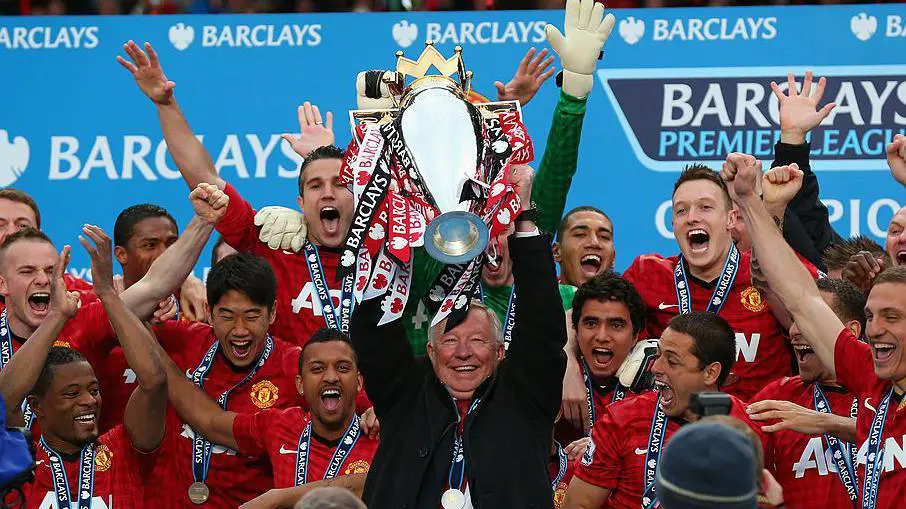
Fletcher has even sought the "blessing" of Sir Alex Ferguson, whose lasting influence on the club remains significant. Ferguson's legacy includes 13 Premier League titles, two Champions League trophies, and two domestic doubles.
However, the question arises: does his endorsement still hold weight 13 years after his retirement? Can it truly help restore United's pursuit of that elusive "DNA"?
Former United goalkeeper Peter Schmeichel shared his thoughts on BBC Radio 5 Live, stating that Manchester United is not just any club. He pointed out that previous high-profile managers like José Mourinho and Louis van Gaal have come and gone without success, often trying to implement their own systems that do not align with the traditional "Manchester United way." Schmeichel urged the club to carefully consider their next appointment, questioning whether big names like Thomas Tuchel, Julian Nagelsmann, Xavi, and Zinedine Zidane truly understand what Manchester United represents.
This raises an important debate: does a club's "DNA" genuinely exist, or is the concept merely a relic of the past? Is it essential for a manager to have a historical connection to the club in order to succeed?
Understanding a Club's 'DNA'
Supporters often define a club's "DNA" based on its historical significance and the emotional resonance it evokes. Neville articulated this sentiment, stating that just as Barcelona has remained steadfast to its identity, Manchester United should also remain true to its roots. He emphasized the importance of finding a manager who possesses the experience and willingness to embrace a fast-paced, attacking style of football.
This approach has been a hallmark of United's success since the days of Sir Matt Busby, particularly with the emergence of young talent exemplified by the legendary "Busby Babes" and the famed "Class of '92," which included Neville, his brother Phil, David Beckham, Nicky Butt, Ryan Giggs, and Paul Scholes.
As many former players transition into media roles, their scrutiny of the club's direction intensifies. Amorim himself remarked during his final days at United that if the club cannot handle criticism from figures like Gary Neville, then a change is necessary.
When Aldridge referred to Liverpool losing their "DNA," he highlighted the passion, desire, and emotional connection that have historically driven the club's success, particularly under Jurgen Klopp's electrifying attacking football. However, the landscape of football is evolving, and the primary currency in the modern game is winning, regardless of the style employed.
Clubs with a Distinct 'DNA'
The notion of "DNA" is often shaped by supporters who have experienced success and believe there is a specific path to achieving it. Manchester United and Liverpool fans are among those who feel a strong connection to their respective club identities, which are rooted in the emotional ties between fans and their clubs.
Barcelona's possession-based style is largely attributed to Johan Cruyff's influence during his time as both player and coach, a philosophy that has been perpetuated by those who followed him, including Manchester City manager Pep Guardiola. Ajax's strategies, which led to three consecutive European Cup victories from 1971-73, are based on the 'Total Football' concept established by legendary coach Rinus Michels and later embodied by Cruyff, emphasizing the development of young Dutch talent.
Meanwhile, Real Madrid and Bayern Munich prioritize winning above all else, while clubs like Manchester City and Paris St-Germain, despite their recent successes, lack a clear "DNA"—yet this has not hindered their achievements.
In the Premier League, two clubs exemplify the belief in a "DNA" that may be more myth than reality. West Ham fans often reference "The West Ham Way," a notion rooted in the club's history from Ron Greenwood's management in the 1960s, while Tottenham's motto "To Dare Is To Do" is seen as a statement of their style.
When Ange Postecoglou took over at Tottenham in June 2023, then-chairman Daniel Levy praised his positive mentality and attacking style. Although Postecoglou introduced an aggressive playing style, he also faced challenges, including a disappointing 17th-place finish in the Premier League, demonstrating that a club's perceived "DNA" can be subjective and complex.
Topics
Related news
- Manchester United's Harry Amass Set for Loan to Enhance Development
- Ruben Amorim Warns Rivals About Manchester United Transfer Deals
- Manchester United's New Signing Bryan Mbeumo Balances Football, Piano, and Chess
- Luke Shaw Supports Ruben Amorim's Approach to Revitalize Manchester United's Culture
- Ruben Amorim's Challenges and Changes at Manchester United
- Ruben Amorim Calls for Autonomy at Manchester United
