New Legislation on Ticket Resales Excludes Football
The government has announced new legislation to prohibit the resale of sports event tickets at inflated prices, but this development does not bode well for football fans.
In September, a BBC investigation revealed a black market where thousands of Premier League tickets were being sold for two to four times their original price.
While the new regulations will make it illegal to resell tickets for sports events above their face value, they will not apply to football matches.
Why the New Legislation Doesn’t Apply to Football
Football ticket sales in the UK are governed by existing laws. The 1994 Criminal Justice and Public Order Act prohibits the resale of football match tickets by anyone other than the event organizers.
Only clubs or organizers are permitted to resell tickets through their platforms, for example, when season ticket holders cannot attend a match.
This legislation was designed to address anti-social behavior and aimed to mitigate the risk of violence and disorder at football matches.
As a result, football will not be included in the proposed new ticket resale legislation. However, it is important to note that this Act applies solely to ticket sales in England and Wales.
What is the Black Market for Football Tickets?
The Premier League's list of unauthorized ticket sellers includes over 50 websites, such as Stubhub and Vivid Seats, where Chelsea owner Todd Boehly serves as a director and investor.
These companies, which operate in countries like Spain, Dubai, Germany, and Estonia, are able to thrive in the black market because the Criminal Justice and Public Order Act only regulates ticket resales occurring within England and Wales, leaving them beyond legal reach.
A BBC Sport investigation examined four websites on this list, which advertised tens of thousands of Premier League tickets. For instance, over 18,000 tickets were listed for the match between Arsenal and Nottingham Forest, representing nearly a third of the Emirates Stadium's capacity.
During the investigation, tickets were easily purchased through the black market for four different games, with prices ranging from £55 to £14,962, often significantly exceeding face value and typically including substantial booking fees.
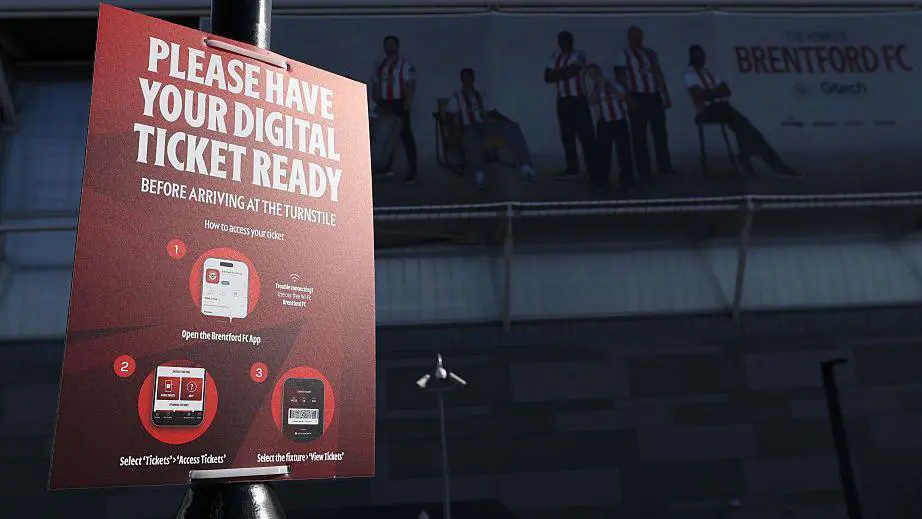
All tickets were transferred digitally, with one instance occurring on the morning of the game, functioning as mobile passes. This practice has been described as "endemic" in English football, yet it remains unaddressed.
Wimbledon’s Exemption Could Benefit Manchester United
Wimbledon has secured an exemption for its debenture tickets, which offer premium seating on the show courts for five years, along with access to exclusive restaurants and bars.
There are 3,770 seats available for purchase and resale through a trading platform or privately. This could be advantageous for Manchester United, who are contemplating selling seat licenses to fund their proposed £2 billion stadium.
Seat licenses allow fans to pay a set amount over time for the right to purchase the same seat as a season ticket holder and potentially resell it.
While Manchester United's system would not be identical to Wimbledon’s debentures, the price cap in the new legislation is not intended to hinder the development of live event venues in the UK. In specific cases, venues should still be able to generate secure, upfront revenue that can be reinvested, such as through seat licenses.
Topics
Related news
- Manchester United Transfer News: Mbeumo and Cunha
- Scott McTominay on Playing with Kevin De Bruyne and Life in Naples
- Manchester United Pursue Brentford's Bryan Mbeumo with £70m Offer
- Manchester United's Striker Dilemma: Mbeumo's Arrival and Hojlund's Future
- Manchester United's Harry Amass Set for Loan to Enhance Development
- Manchester United's Emerging Talent: Diego Leon Shines in Pre-Season
