Manchester United's Financial Strategies Amidst Challenges
Recent news regarding Manchester United's finances has raised concerns among fans, particularly in relation to job cuts and the elimination of staff perks.
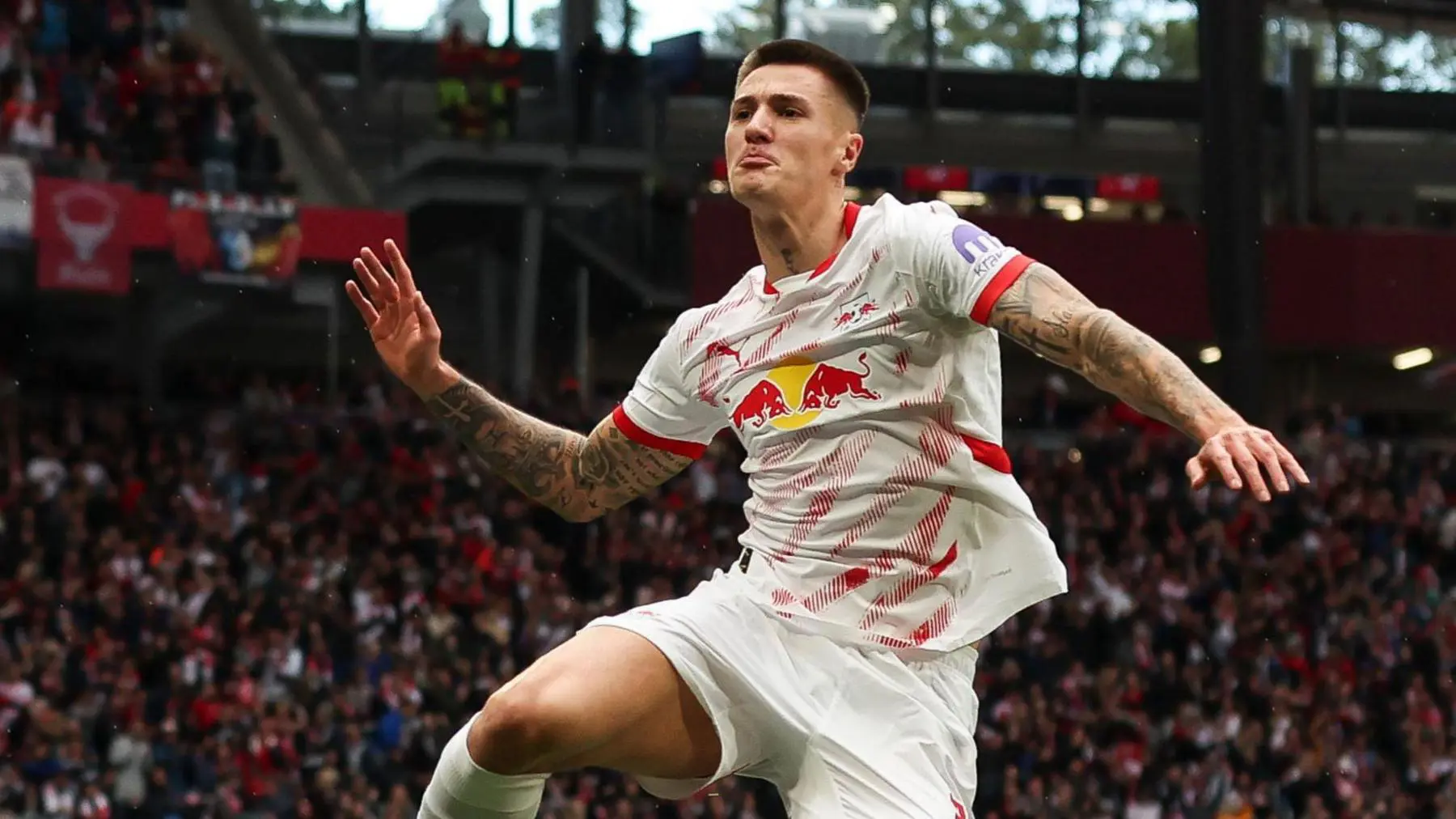
Fans are questioning how the club can afford a move for RB Leipzig striker Benjamin Sesko while planning a £200 million overhaul of their attacking lineup for the upcoming season.
The answer lies in strategic financing of their summer transfer dealings, both incoming and outgoing, countering reports of the club's financial demise.
Football finance expert Kieran Maguire told BBC Sport, "If Manchester United sneezes, football catches a cold. It is the biggest brand in English football. The redundancies appear severe, but this aligns with the Ineos business model, which has been applied in other companies. Whether it will be effective in football remains to be seen."
Sources from United previously informed BBC's chief football news reporter Simon Stone that an agreement for Sesko is feasible, despite co-owner Sir Jim Ratcliffe's earlier warning that the club could face insolvency by Christmas without significant cost-cutting measures.
Payment arrangements for recent acquisitions Matheus Cunha and Bryan Mbeumo, totaling £130 million, have been structured favorably. It is likely that any deal for Sesko would follow a similar payment plan, spread over the duration of the player's contract.
Furthermore, Marcus Rashford's £325,000 weekly salary is fully covered by his loan to Barcelona, and Manchester United received £5 million from Chelsea after the latter withdrew from a deal to sign Jadon Sancho.
Additionally, the club has earned over £15 million from sell-on clauses related to Anthony Elanga, Alvaro Carreras, and Maxi Oyedele.
Financial Concerns Overstated
United also sold academy products Mason Greenwood and Scott McTominay last summer and plans to offload several other players before the transfer window closes, including Alejandro Garnacho.
Maguire remarked, "Even if their signings total £200 million, that equates to £40 million per year, which they can recuperate by selling players from the bomb squad."
Despite their on-pitch struggles, including a record low finish in the Premier League last season, United remains a commercial powerhouse. The club recently projected an annual core profit of £180 million to £190 million, an increase from an earlier estimate of £145 million to £160 million.
Manchester United's bid for Sesko could rise to £73.8 million, including a guaranteed payment of £65.2 million. If this amount is finalized, it would bring their total summer transfer spending to £180 million, ranking third in the Premier League, behind Liverpool and Chelsea.
Maguire commented, "Some of the scare stories circulating a few months ago were perhaps exaggerated. While Manchester United is not as successful a business as they would like, they remain profitable, with their wage bill constituting about half of their income, which is commendable by Premier League standards."
This comes in light of Ratcliffe's statement that the club nearly faced a cash shortage this year. He acknowledged, "We are undergoing a period of change that is uncomfortable and disruptive, and I empathize with the fans."
Challenges Ahead for Manchester United
Ratcliffe noted that costs have escalated, and the club has been spending beyond its earnings for seven consecutive seasons. He cautioned, "If you consistently spend more than you earn, it inevitably leads to ruin." Nonetheless, he affirmed that United would continue to invest in players during this transfer window.
"The question is where to allocate funds—on operational costs or on the squad? Our aim is to invest in the best players globally rather than on, unfortunately, free lunches," he stated.
However, the situation at Old Trafford is not entirely optimistic. Should Sesko join, manager Ruben Amorim may need to sell players to finance further squad enhancements.
For the financial year 2023-24, the club reported a loss of £131 million. While a significant portion of this loss stemmed from interest and costs associated with the Ineos takeover, which do not impact Profitability and Sustainability Regulations, it still reflects a club facing challenges.
Maguire concluded, "Manchester United cannot compete financially with Liverpool and Chelsea. Among the top six clubs, they are not in as favorable a position. However, they remain in a strong position overall, benefiting from the largest stadium and consequently the highest matchday revenues, along with one of the highest commercial revenues in the league. They are still a highly attractive brand."
Topics
Related news
- Premier League Transfer Market: Record Spending and Strategic Moves
- Manchester United's Striker Search: Watkins and Sesko Considered
- Manchester United Targets Benjamin Sesko as Top Striker Choice
- Benjamin Sesko Transfer Saga: Manchester United vs. Newcastle United
- Manchester United Signs Benjamin Sesko from RB Leipzig
- Manchester United Signs Benjamin Sesko from RB Leipzig
