The Erosion of Managerial Authority in Modern Football
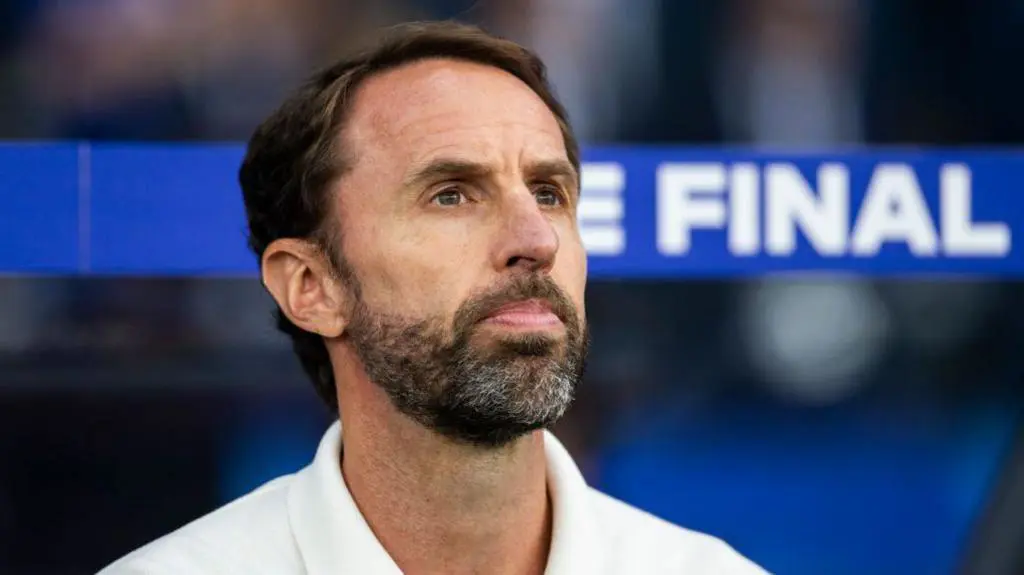
Former England manager Sir Gareth Southgate has expressed concerns about the diminishing authority of football managers in modern clubs due to evolving organizational structures.
Southgate noted that the rise of football, technical, and sporting directors has shifted the balance of power within clubs, although he stated he has "no issue with this evolution." He emphasized that despite the transition from traditional 'manager' roles to 'head coach' positions, contemporary bosses still face significant pressure.
His remarks come in the wake of high-profile departures at clubs such as Real Madrid, Manchester United, and Chelsea, all of which have parted ways with their head coaches since the beginning of the year.
In a LinkedIn post, Southgate observed that while Xabi Alonso of Real Madrid, Ruben Amorim of Manchester United, and Enzo Maresca of Chelsea left their positions under varying circumstances, "power struggles with club executives, employees, or players were ultimately the root cause of their departures." For instance, Maresca exited Chelsea by mutual consent following disagreements with the club's hierarchy, while Amorim openly criticized club officials before his dismissal.
"I came here to be the manager of Manchester United, not to be the coach of Manchester United. That is clear," Amorim told reporters just hours before his sacking, hinting at interference from behind the scenes.
Southgate remarked that the gradual erosion of a manager's authority has been ongoing for years, accelerating with the introduction of sporting directors who now oversee long-term strategies, report directly to CEOs or owners, and hold positions above head coaches.
"Personally, I have no issue with this evolution," Southgate wrote. "Strategy, culture, planning, and continuity are critical to success in any organization, and a football club is no different." He argued that such structures are essential because head coaches often lack the time or expertise to manage complex player contracts, oversee global scouting, or handle sophisticated data operations.
Contrary to some fans' beliefs that being a head coach entails a lighter workload, Southgate asserted that the reality is quite the opposite, citing larger squads, expanded backroom teams, increased analytical demands, and growing media and commercial obligations.
"The complexity of managing modern players, many of whom are effectively individual brands, combined with the financial stakes for clubs and the relentless scrutiny from both traditional and social media, creates a significant melting pot of problems and pressures," he added.
Southgate advocated for a modernized interpretation of the traditional manager role, emphasizing the importance of recognizing the individuals they lead, manage, and coach. He recalled telling his superiors at England: "Players are not magnets on a tactics board that can simply be moved around. They are human beings, and managing that reality is at the heart of modern football leadership."
Additionally, Southgate acknowledged that the shift in titles has led to a "subtle, sometimes unintentional, shift in power and status," noting that he insisted on being referred to as 'manager' when he was offered the role of England head coach to reflect the authority, influence, and control he deemed necessary for the position.
Topics
Related news
- BBC's New Football Expert Search Begins
- Rui Santos Joins Başakşehir as Set-Piece Coach
- Growing Trust in African Coaches as 2026 World Cup Qualifiers Approach
- Rangers Face Uncertainty After Gerrard Declines Coaching Role
- Ruben Amorim Reflects on His First Year as Manchester United Head Coach
- Scott Parker Remains Resilient Amid Pressure at Burnley
